Devotees Observe Kartik Purnima With Dev Diwali and Guru Nanak Jayanti Celebrations
Millions of devotees across India are observing the auspicious convergence of Kartik Purnima, Dev Diwali, and Guru Nanak Jayanti with holy river dips, temple rituals, and evening illuminations.
In this piece
Devotees across India are marking Kartik Purnima alongside Dev Diwali and Guru Nanak Jayanti through holy dips, temple worship, and community kitchens. The…
Devotees across India are observing the sacred convergence of Kartik Purnima, Dev Diwali, and Guru Nanak Jayanti, marking one of the most significant spiritual occasions of the year. From early morning riverbanks to illuminated shrines, millions of worshipers are participating in dawn prayers, holy dips, and temple offerings. The day brings together major observances across both Hindu and Sikh traditions, reflecting widespread religious devotion and cultural celebration nationwide.
The occasion is characterized by a series of traditional rites, with particular emphasis on the veneration of Lakshmi-Narayan, Lord Shiva, and Kartikeya Swami. Temples dedicated to these deities have organized elaborate morning ceremonies, Vedic chants, and continuous floral offerings to accommodate the influx of pilgrims. Devotees maintain fasts and perform special rituals aimed at seeking spiritual peace, familial well-being, and divine benevolence.
Dev Diwali, celebrated on the full moon night of the month of Kartik, commemorates the divine triumph of Lord Shiva over the demon Tripurasura. Scriptural accounts describe how the gods celebrated the restoration of universal righteousness by descending to earth and lighting thousands of earthen lamps along the banks of holy rivers. Because of this legend, the sacred date is also widely known as Tripurari Purnima among religious observers.
In parallel, the day marks Guru Nanak Jayanti, also celebrated as Gurpurab or Prakash Parv, honoring the birth anniversary of Guru Nanak Dev Ji, the first Sikh Guru. Gurdwaras across the country have organized early morning processions, devotional hymns, and continuous readings of sacred scriptures. Large community kitchens, known as langars, are serving meals to visitors from all walks of life, embodying the core principles of equality and communal service.
A central element of Kartik Purnima involves traditional acts of charity and philanthropic giving, regarded as especially auspicious on this full moon day. Spiritual guidelines encourage the donation of food, warm clothing, grains, and earthen lamps to those in need. Observers believe that acts of selfless service performed on this date bring profound spiritual merit and foster social solidarity within local communities.
Pilgrims have also gathered at sacred water bodies and major rivers across the nation to undertake the traditional holy bath known as Kartik Snan. Religious custom holds that taking a dip at sunrise on this full moon washes away past misdeeds and rejuvenates the spirit. Following the bath, worshipers offer water to the sun and chant devotional mantras before visiting nearby shrines.
Worship of Lord Kartikeya, the son of Lord Shiva and Goddess Parvati, holds distinct significance on Kartik Purnima, as this is one of the rare occasions when his shrines witness extensive worship across northern and western regions. Devotees also offer special prayers to Lord Vishnu and Goddess Lakshmi, acknowledging their preservation of cosmic harmony and material prosperity. Families prepare festive offerings at home, distributing sweets and sanctified food to neighbours.
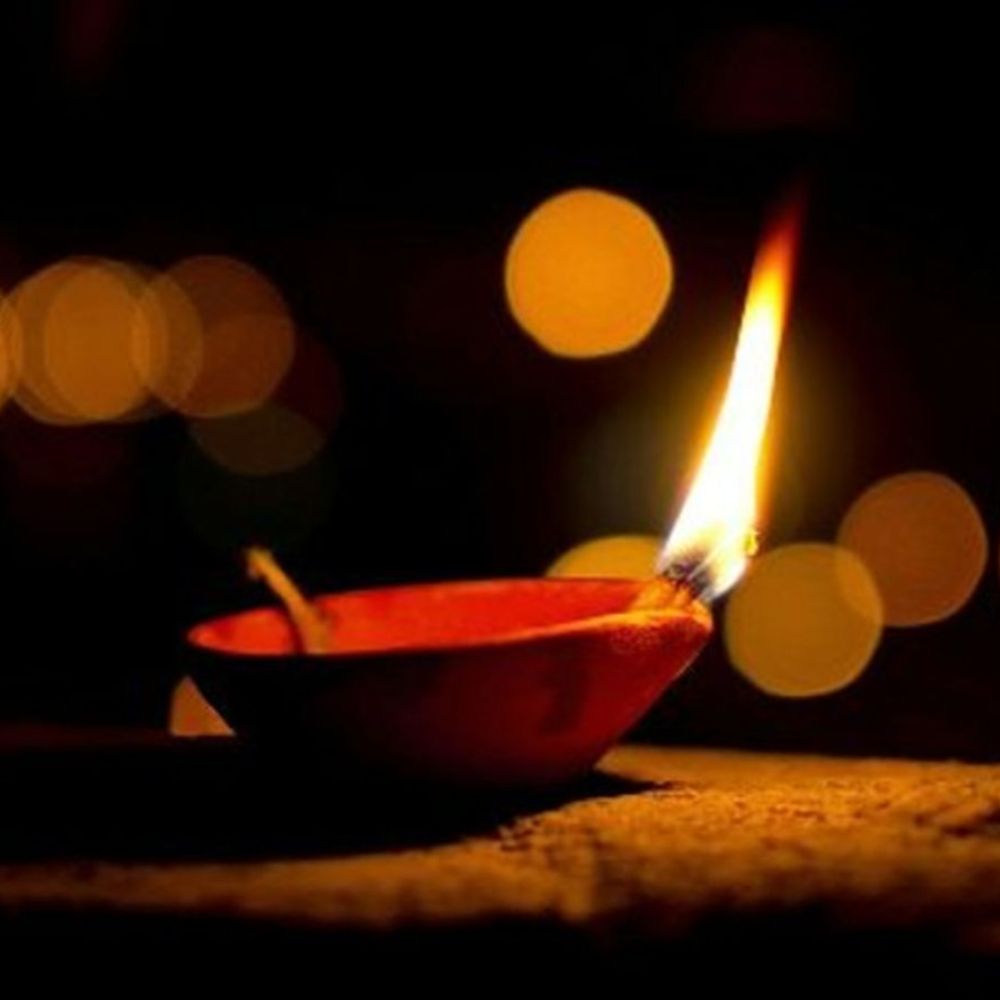
As dusk approaches, riverfronts, religious centers, and household verandas are slated to be lit with countless clay oil lamps during the time-honored deepdan ceremony. The ceremonial lighting of lamps along ghats and public squares symbolizes the vanquishing of darkness, ignorance, and adversity. The visual spectacle draws large crowds of families, tourists, and spiritual seekers who gather to witness the evening aartis.
The observances are scheduled to culminate late into the evening with nocturnal prayers, congregational chants, and temple vigils extending past midnight. Cultural commentators highlight that the simultaneous celebration of Dev Diwali and Guru Nanak Jayanti underscores a shared heritage of devotion, generosity, and community harmony across diverse spiritual traditions.
Primary source: Divya Bhaskar Dharm Darshan. Newzly rewrites and structures source reporting for clarity; verify critical details at the original.