Guru Nanak Jayanti: How One Moral Condition Transformed an Outlaw and Inspired Lessons on Overcoming Bad Habits
Observances of Guru Nanak Jayanti emphasized enduring spiritual parables, highlighting how a foundational pledge of truthfulness reformed a notorious outlaw and offering practical principles for overcoming negative habits.
In this piece
Across India and global communities, Guru Nanak Jayanti was celebrated on Tuesday with prayers and communal reflections on the Sikh founder's teachings.…
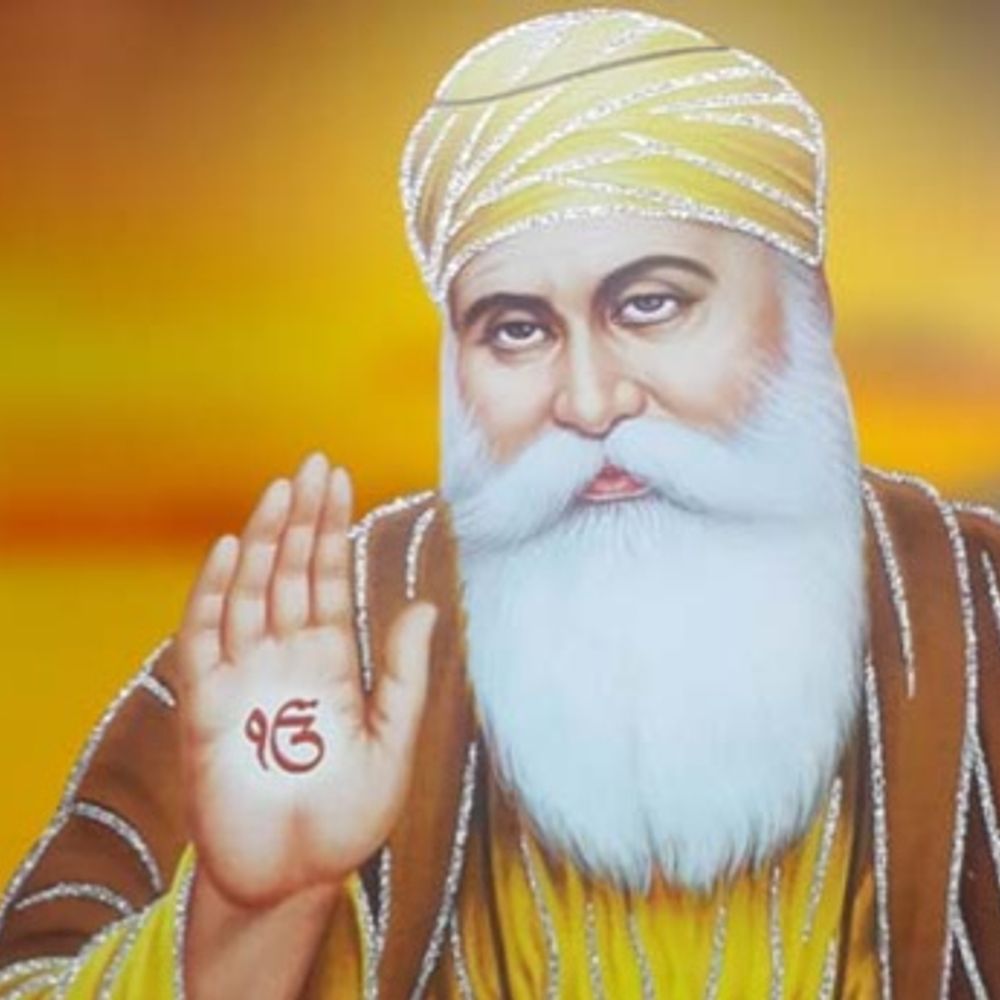
Commemorations for Guru Nanak Jayanti took place across India and global Sikh communities on Tuesday, with gurdwaras hosting prayers, community kitchens, and spiritual reflections marking the birth anniversary of Guru Nanak Dev Ji. Beyond devotional observances, discourses and spiritual publications centered on the founding guru's philosophy of universal equality, honest labor, and inner moral renewal.
Among the central narratives highlighted during this year's observances is the traditional account of Guru Nanak's encounter with an outlaw, whose life was radically reoriented through a single ethical condition. According to classical sakhis and spiritual commentators, the guru encountered a bandit who sought guidance while feeling unable to abandon his criminal trade immediately. Rather than demanding an instant renunciation of his livelihood, the spiritual master proposed a targeted pact anchored in unwavering truthfulness.
The historical parable recounts that Guru Nanak asked the man to make a firm commitment never to speak a lie, regardless of the consequences. Bound by his word, the outlaw found that adhering strictly to truth dismantled the secrecy and deception required to execute thefts. When questioned during subsequent encounters and confronting the moral weight of having to confess openly, the dacoit chose to abandon crime altogether, demonstrating how a foundational virtue can dissolve entrenched wrongdoing.
Such encounters formed a hallmark of Guru Nanak's extensive travels, known as Udasis, during which he traversed diverse regions to engage individuals from all walks of life, from rulers and ascetics to bandits and outcasts. His ministry consistently emphasized internal purification and practical conduct over outward dogma or ritualistic penance. By addressing human frailties with empathy and practical moral psychology, the guru guided individuals toward self-realization and community service.
Drawing on this historical narrative, spiritual commentators and wellness educators linked the episode to practical principles for dismantling destructive personal habits. Behavioral analysts and philosophical writers note that breaking harmful routines requires deliberate cognitive shifts rather than vague intentions. The foundational step mirrors the ancient parable: recognizing the core trigger behind a habit and making an uncompromising commitment to honest self-appraisal.
Complementing self-honesty, modern behavioral frameworks emphasize replacing negative impulses with positive routines and implementing gradual behavioral reduction. Because entrenched behaviors activate deeply ingrained neural pathways, attempting abrupt cessation without structured alternatives frequently precipitates relapse. Spiritual commentators emphasize that cultivating disciplined daily practices, such as mindfulness and purposeful labor, creates the mental fortitude needed to resist persistent compulsions.
Another vital dimension highlighted in the teachings involves altering one's physical and social environment to minimize exposure to temptation. Historical records emphasize that reformed individuals were integrated into supportive communal congregations, known as sangat, where peer accountability reinforced ethical living. Similarly, modern psychological guidance stresses that confiding in trusted mentors and removing situational cues significantly increases long-term adherence to positive habits.
The traditional discourse also warns against discouragement when setbacks occur, advocating sustained patience and constructive self-reflection rather than paralyzing guilt. Long-term transformation relies on celebrating incremental milestones and recognizing that character development is an evolving journey. By aligning daily choices with higher ethical obligations—such as earning an honest living and sharing resources—individuals build resilience against recurring vices.
In an era dominated by modern distractions and digital compulsions, commentators observe that the core message of Guru Nanak's encounter resonates with renewed urgency. The narrative illustrates that personal reform does not necessitate sudden perfection, but begins with establishing a single, non-negotiable anchor of integrity. Scholars suggest that simplifying self-improvement into clear moral guardrails can empower contemporary audiences navigating personal and societal challenges.
As Prakash Utsav celebrations continue through evening kirtans and communal feasts, religious scholars and civic leaders encouraged devotees to translate devotional sentiment into tangible personal growth. Organizers stressed that honoring Guru Nanak's legacy entails actively shedding negative behaviors and committing to social harmony and personal integrity throughout the coming year.
Primary source: Divya Bhaskar Dharm Darshan. Newzly rewrites and structures source reporting for clarity; verify critical details at the original.