DR Congo Ebola Outbreak Surpasses 5,000 Deaths as Cases Top 10,000
More than 5,000 people have died in the Democratic Republic of Congo's deadliest recorded Ebola outbreak. Official government figures indicate that over 10,000 individuals have contracted the rare viral disease.
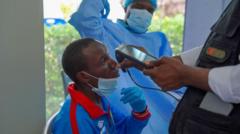
More than 5,000 people have died from Ebola in the Democratic Republic of Congo in what has become the nation's deadliest outbreak of the disease on record. According to official government data cited in recent reports, the severe viral epidemic has also led to more than 10,000 confirmed or suspected infections across the country.
The grim milestone marks an unprecedented toll for the Central African nation, underscoring the acute severity of the transmission crisis. With case counts crossing the ten-thousand threshold, health authorities are confronting one of the largest recorded infection waves since the rare virus was first identified.
Ebola virus disease is a rare and frequently fatal illness that causes severe fever, systemic inflammation, and internal and external bleeding. Transmission occurs primarily through direct contact with blood, secretions, organs, or other bodily fluids of infected persons or surfaces contaminated with these fluids. Because of its high mortality rate, managing active infection clusters requires rapid isolation and strict clinical protocols.
The vast scale of the caseload has placed exceptional strain on the country's medical infrastructure and frontline public health workers. Treating thousands of patients diagnosed with such a dangerous pathogen demands specialized containment units, dedicated protective equipment, and around-the-clock intensive care. In resource-constrained settings, prolonged epidemic pressure can quickly stretch clinical capacity and complicate routine care delivery.
Standard epidemic response measures rely heavily on rapid detection, systematic contact tracing, and the deployment of specialized emergency care teams. Public health specialists emphasize that halting transmission chains requires rigorous community engagement alongside medical interventions. Without widespread cooperation and transparent reporting at the local level, identifying exposed individuals before secondary spread occurs remains exceptionally difficult.
Delivering care and maintaining surveillance across extensive geographic territories presents profound operational hurdles. Emergency responders must transport medical supplies, diagnostic reagents, and protective gear to affected facilities while navigating challenging transportation networks. Coordinating large-scale clinical responses under such circumstances requires sustained operational coordination between central health agencies and regional responders.
While the released government figures confirm the grim magnitude of the health emergency, comprehensive epidemiological details on specific transmission zones and active transmission clusters remain tightly held. Independent observers and global health monitors continue to assess the data to gauge whether infection rates are plateauing or expanding into previously unaffected areas. The full epidemiological picture often emerges gradually as surveillance systems reconcile local registries with national reporting databases.
The human loss reflected in the surpassing of 5,000 fatalities serves as a stark reminder of the persistent threat posed by high-consequence pathogens. Public health specialists warn that unchecked transmission of dangerous viral agents threatens not only direct victims but also destabilizes broader healthcare delivery systems. Mitigating the wider fallout requires ensuring that communities have uninterrupted access to treatment centers and preventative resources.
Looking ahead, health authorities face the urgent task of containing active clusters, accelerating diagnostic turnaround, and reinforcing safe care practices to curb additional casualties. Sustaining the intervention will depend heavily on sustained logistics, consistent field surveillance, and timely medical intervention for those showing symptoms. National and international health monitors will be watching official caseload trends closely in the coming weeks to determine if containment protocols are successfully arresting the outbreak.
Primary source: BBC World. Newzly rewrites and structures source reporting for clarity; verify critical details at the original.