Europe on Alert After Cyber-Attacks Strike Supermarket Freezers in 10 Countries
European authorities and retailers are on high alert after coordinated cyber-attacks struck supermarket refrigeration systems across ten countries, disrupting freezers and forcing stores to discard spoiled food.
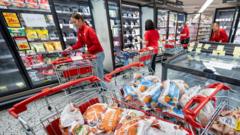
A coordinated wave of cyber-attacks targeting supermarket refrigeration systems has put European authorities on high alert after disruptions were confirmed across ten countries. Retailers spanning from Estonia and Sweden in northern Europe to Portugal and Italy in the south have reported severe technical anomalies with their freezer units. The unexpected disruptions have forced multiple grocery chains to discard substantial quantities of perishable food to prevent safety risks.
The incidents have crippled temperature monitoring and commercial freezing equipment across affected retail locations, leaving operators unable to guarantee proper cooling standards. Store managers discovered that storage and display freezers had malfunctioned unexpectedly, compromising frozen goods and fresh stock. With cold-chain integrity broken, businesses faced immediate regulatory requirements to dispose of compromised inventory rather than risk public health hazards.
The geographical breadth of the disruption, stretching across at least ten nations, highlights an unprecedented scale of coordinated interference against daily commercial operations. While cross-border retail groups frequently share centralized management networks, the simultaneous impact across varied territories from the Baltic region to southern Europe points to widespread vulnerabilities in retail operational systems. Investigators and affected supermarket operators are currently examining whether the intrusions were executed through shared vendor connections or targeted software exploits.
Modern grocery distribution networks rely heavily on internet-connected operational technologies, including automated refrigeration controls and remote diagnostic sensors. These connected systems allow supermarket headquarters to adjust temperatures, reduce energy consumption, and monitor inventory round the clock without on-site technical teams. However, cybersecurity specialists have long cautioned that industrial control devices and commercial cooling equipment often lack the robust security safeguards common in traditional corporate IT environments.
The immediate toll of the campaign is measured not only in technical remediation costs but in thousands of discarded food products. Food safety regulations across the European continent strictly govern the thermal conditions required for storing frozen produce, dairy, and meat products. Once a cooling failure occurs and internal temperatures breach permissible thresholds, retailers have no choice under statutory health standards but to write off and destroy the inventory.
Beyond the logistical waste, the assault underscores growing concerns regarding the exposure of essential food supply networks to digital sabotage. Disrupting cooling units demonstrates how malicious digital actions can swiftly cause physical and financial damage to private-sector infrastructure that citizens depend upon daily. Security analysts note that tampering with commercial refrigeration creates immediate downstream pressure on logistics, regional food distribution, and store replenishment.
Authorities have not yet formally attributed the cyber-attacks to any specific threat actor, hacking group, or geopolitical entity. Details regarding the exact intrusion methods, whether involving ransomware, unauthorized configuration tampering, or compromised remote access credentials, remain unconfirmed as technical reviews continue. European law enforcement and cybersecurity bodies are gathering forensic evidence from affected stores to determine the origin and intent of the campaign.
In response to the breaches, supermarket operators across the affected nations have initiated defensive protocols, including isolating refrigeration controllers from public internet gateways and shifting to manual temperature audits. Emergency maintenance teams are working to restore normal operational parameters and inspect backup power and cooling networks. Supermarket groups are also conducting comprehensive reviews of their third-party software arrangements to seal any persistent network avenues.
As investigations proceed across the ten impacted European nations, retailers and regulators face an urgent mandate to fortify operational technologies against similar future disruptions. Industry groups are expected to issue updated security advisories urging commercial operators to enforce multi-factor authentication, segment control systems, and eliminate exposed management interfaces. The incident serves as a stark reminder that as basic consumer infrastructure becomes increasingly digitized, securing everyday operational machinery is as vital as safeguarding financial databases.
Primary source: BBC World. Newzly rewrites and structures source reporting for clarity; verify critical details at the original.