Himalayan building boom expands flood exposure for nearly 300,000
Construction in Himalayan river valleys is expanding exposure to potential floods, researchers warn, as tourism, housing and infrastructure development outpaces safeguards in parts of Nepal and neighbouring regions.
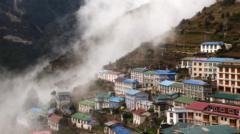
Nearly 300,000 people could be living in areas exposed to potential flooding in Himalayan catchments, according to research examining development in Nepal and neighbouring parts of India and China. The findings, reported by BBC Science, highlight the growing overlap between mountain hazards and construction serving tourism, housing and infrastructure.
The study, published in Scientific Reports, found that building area within 50 vertical metres of river channels increased by about 46% between 2016 and 2023. Building area within modelled glacial lake outburst flood zones grew by roughly three-quarters over the same period. These measurements describe potential exposure, not buildings already flooded or damaged.
Researchers combined satellite-derived building information with terrain measurements and population projections. Their assessment estimated that 293,800 people, or 18% of the population in the catchments studied, lived within the river-proximity screening zone in 2026. The authors cautioned that population projections and building datasets contain uncertainties, particularly in mountainous areas.
The geography helps explain why development follows potentially dangerous routes. Writing about their findings, study authors C. Scott Watson and Milan Shrestha said valley floors provide some of the few flat, accessible locations for roads, settlements and other infrastructure. The same corridors can carry floodwater released from higher in the mountains.
Glacial lakes add another concern because their natural barriers can fail, releasing water downstream. Watson and Shrestha explained that glacier retreat, expanding lakes and thawing mountain permafrost are changing the hazard landscape. More people and infrastructure are occupying valleys where those processes can have consequences, making settlement patterns an important part of disaster preparedness.
BBC reporting from Nepal describes the practical difficulty of reducing existing exposure. Pokhara Mayor Dhana Raj Acharya said some older buildings stand only five metres from the Seti Gandaki River, despite newer requirements for greater separation. Relocating established communities presents difficult questions about where residents would move and how that would happen.
The development pressures extend beyond accommodation for visitors. The BBC reported increased hydropower construction around the Bhotekoshi and Trishuli rivers, alongside concerns about poorly planned tourism expansion. In Uttarakhand, campaigners similarly questioned enforcement of restrictions on building near rivers, illustrating the gap that can emerge between planning rules and construction on the ground.
The researchers emphasise that identifying exposure is not equivalent to predicting disaster. Watson and Shrestha said building characteristics, warning systems, preparedness and evacuation arrangements all influence the outcome of a hazardous event. Their findings do not mean flooding is inevitable everywhere or that all development beside rivers must stop.
The next task is to turn broad screening into more detailed local assessments and practical protection. The study calls for improved flood modelling, better validation of population and building information, and links between exposure mapping and early-warning systems. Its outlook is that development decisions can help prevent additional exposure rather than leaving authorities to respond only after damage occurs.
Primary source: BBC Science. Newzly rewrites and structures source reporting for clarity; verify critical details at the original.