What Is Net Zero and Can the UK Deliver on Its Climate Goals?
Reaching net zero carbon emissions worldwide is vital to curtail global warming, UN scientists warn, placing renewed scrutiny on whether the UK and other advanced economies remain on track to meet their commitments.
Reaching net zero carbon emissions worldwide is essential to limit global warming, according to United Nations scientists, as international attention focuses on whether major industrialized economies can meet their long-term climate targets. The concept has become a central pillar of global climate governance, prompting urgent scrutiny over whether countries like the United Kingdom are truly on track to deliver on their legal obligations.
At its fundamental level, net zero describes a state where the greenhouse gases released into the atmosphere are entirely balanced by an equivalent volume actively removed. Achieving this balance requires slashing emissions as close to zero as possible across every major sector, while deploying natural absorption methods and technological solutions to counteract any residual output.
Scientific consensus coordinated under the United Nations highlights that curtailing greenhouse emissions is imperative to halt the steady rise in global temperatures. UN researchers and atmospheric scientists have consistently warned that failing to curb emissions will intensify extreme weather events, accelerate sea level rise, and threaten vital ecosystems across the globe.
In the United Kingdom, national policy has formally embraced these decarbonization ambitions through legislative targets designed to phase out fossil fuel dependence over the coming decades. Even so, independent observers and climate watchdogs continually evaluate whether the actual rate of domestic emissions reductions is fast enough to keep pace with these statutory benchmarks.
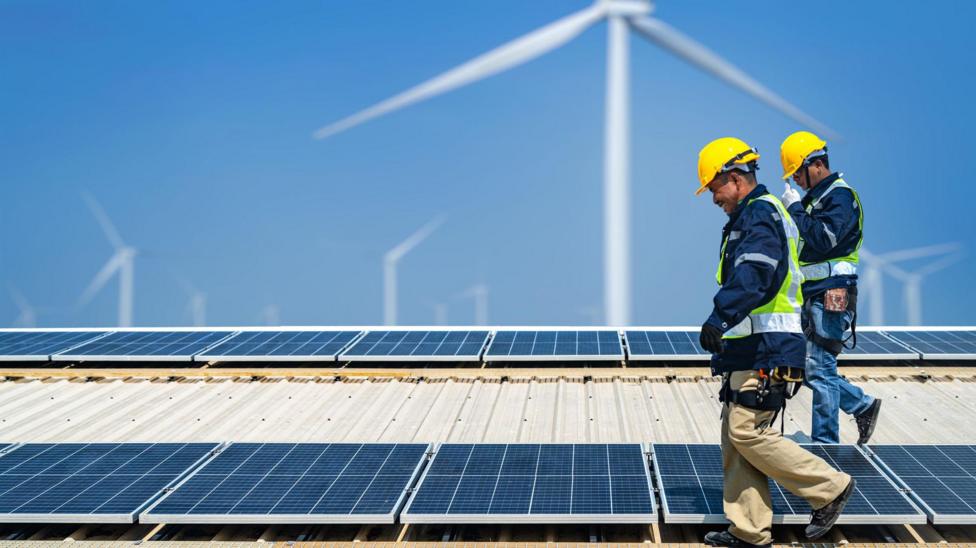
The transformation of the power sector serves as one of the most visible indicators of a country's climate progress. While the transition toward renewable electricity generated by offshore wind and solar power has gathered momentum, modernizing aging grid infrastructure and securing continuous baseload power remain formidable technical and economic challenges.
Beyond power generation, difficult-to-abate sectors such as home heating, heavy industry, and road transportation present deeper structural hurdles. Converting millions of households away from conventional gas boilers and expediting the widespread adoption of low-emission vehicles require substantial financial investment, strong consumer incentives, and resilient manufacturing supply chains.
Carbon removal and offsetting mechanisms also occupy a contested space within national and international climate discussions. While natural sinks like peatlands and woodlands offer valuable absorption capacity, scientists stress that reliance on unproven negative-emissions technology cannot substitute for deep, immediate reductions in baseline fossil fuel consumption.
Economic considerations and shifting policy priorities frequently complicate the delivery of long-term environmental strategies. Governments must navigate public affordability concerns, geopolitical energy market shocks, and industrial competitiveness while maintaining the strict regulatory frameworks needed to encourage private sector green investment.
As international deadlines draw nearer, scientific institutions and statutory advisory panels will continue tracking emissions trajectories to ensure theoretical plans translate into verifiable results. For the UK and other developed nations, the coming years will test whether policy execution can match scientific necessity in the race toward net zero.
Primary source: BBC Science. Newzly rewrites and structures source reporting for clarity; verify critical details at the original.