Israel Swears In New Parliament as Leaders Compete to Form Government
Former military chief Gadi Eisenkot has received the presidential mandate to form Israel's next government, kicking off tense coalition talks following an inconclusive election that left parliament deeply divided.
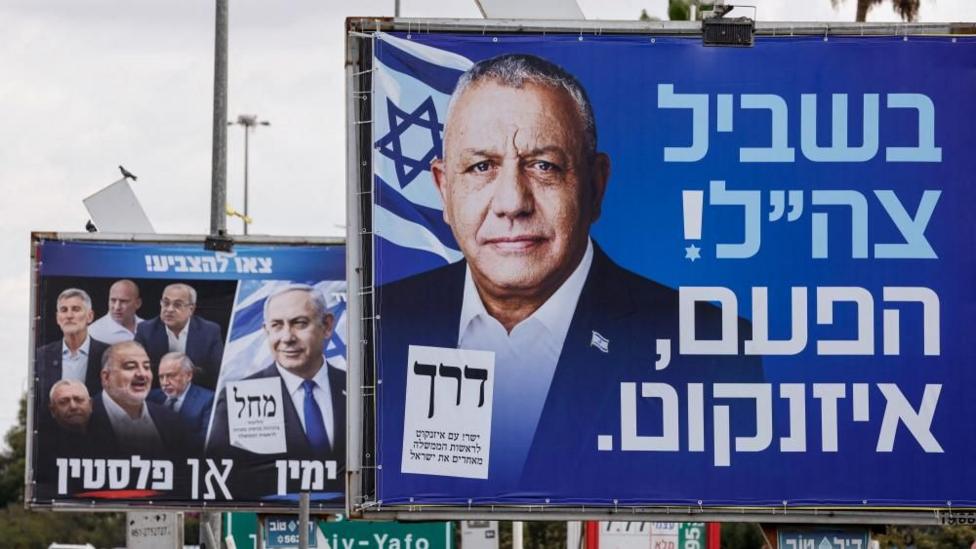
Israel's newly elected 26th Knesset was officially sworn in on Tuesday as political leaders embarked on a fierce race to cobble together a majority coalition. Former military chief Gadi Eisenkot has been given the first opportunity by President Isaac Herzog to assemble a governing alliance and unseat longtime Prime Minister Benjamin Netanyahu.
The swearing-in ceremony in Jerusalem followed an inconclusive general election held late last month that once again left the 120-seat parliament fractured. Neither the centrist camp led by Eisenkot nor Netanyahu's right-wing religious bloc managed to secure an outright 61-seat majority on their own.
President Herzog formally tasked Eisenkot with the mandate after the opposition figure secured endorsements from 67 lawmakers across diverse political factions. In contrast, Netanyahu, Israel's longest-serving prime minister, received recommendations from 46 members of the incoming assembly.
Eisenkot, who served as chief of staff of the Israel Defense Forces before entering politics, has pitched a broad national emergency administration to stabilize the country. His campaign focused on restoring institutional norms and navigating severe post-conflict security and economic reconstruction.
To reach a working government, Eisenkot faces the complex task of uniting a diverse array of secular centrists, left-wing parties, right-wing defectors from Netanyahu's orbit, and Arab-led factions. Bridging the ideological gulf between these factions will present acute policy disagreements over national security and judicial matters.
Lawmakers aligned with Eisenkot have already signaled plans to move fast on legislative measures aimed at preventing future political gridlock. Their initial proposals include establishing statutory term limits for the prime minister's office, rolling back controversial judicial overhaul laws, and establishing an official state commission of inquiry into the security failures of October 7, 2023.
Netanyahu and his Likud party have strongly pushed back against the incoming mandate, characterizing the rival coalition as inherently unstable and reliant on conflicting ideologies. Netanyahu loyalists have vowed to mount aggressive parliamentary resistance and seek potential defectors to preserve their hold on power.
The political confrontation reflects persistent public weariness after years of recurrent parliamentary elections and deepening social fractures across Israeli society. Public confidence in democratic institutions has been severely strained by protracted legal battles involving Netanyahu and intense debate over the balance of power between the courts and parliament.
Under Israeli law, Eisenkot now has an initial window of 28 days to conclude coalition negotiations and submit a government to the Knesset for a vote of confidence. If he fails to secure agreement, the president may grant a brief extension or hand the mandate to Netanyahu or another lawmaker.
Should neither camp manage to command a working majority within the designated deadlines, the Knesset would automatically dissolve, sending Israeli voters back to the ballot box for another snap election. For now, intense behind-the-scenes bargaining is underway as party negotiators begin drafting coalition agreements in Jerusalem.
Primary source: BBC World. Newzly rewrites and structures source reporting for clarity; verify critical details at the original.