Keto Diet Cuts Liver Fat by 67% and Reverses Prediabetes, Study Finds
A clinical trial revealed that a ketogenic diet reduced liver fat by 67 percent and reversed prediabetes in about half of participants, significantly outperforming Mediterranean and low-fat regimens despite similar overall weight loss.
In this piece
A new clinical trial shows that following a ketogenic diet reduced liver fat by 67 percent in four to five months, far outperforming Mediterranean and low-fat…
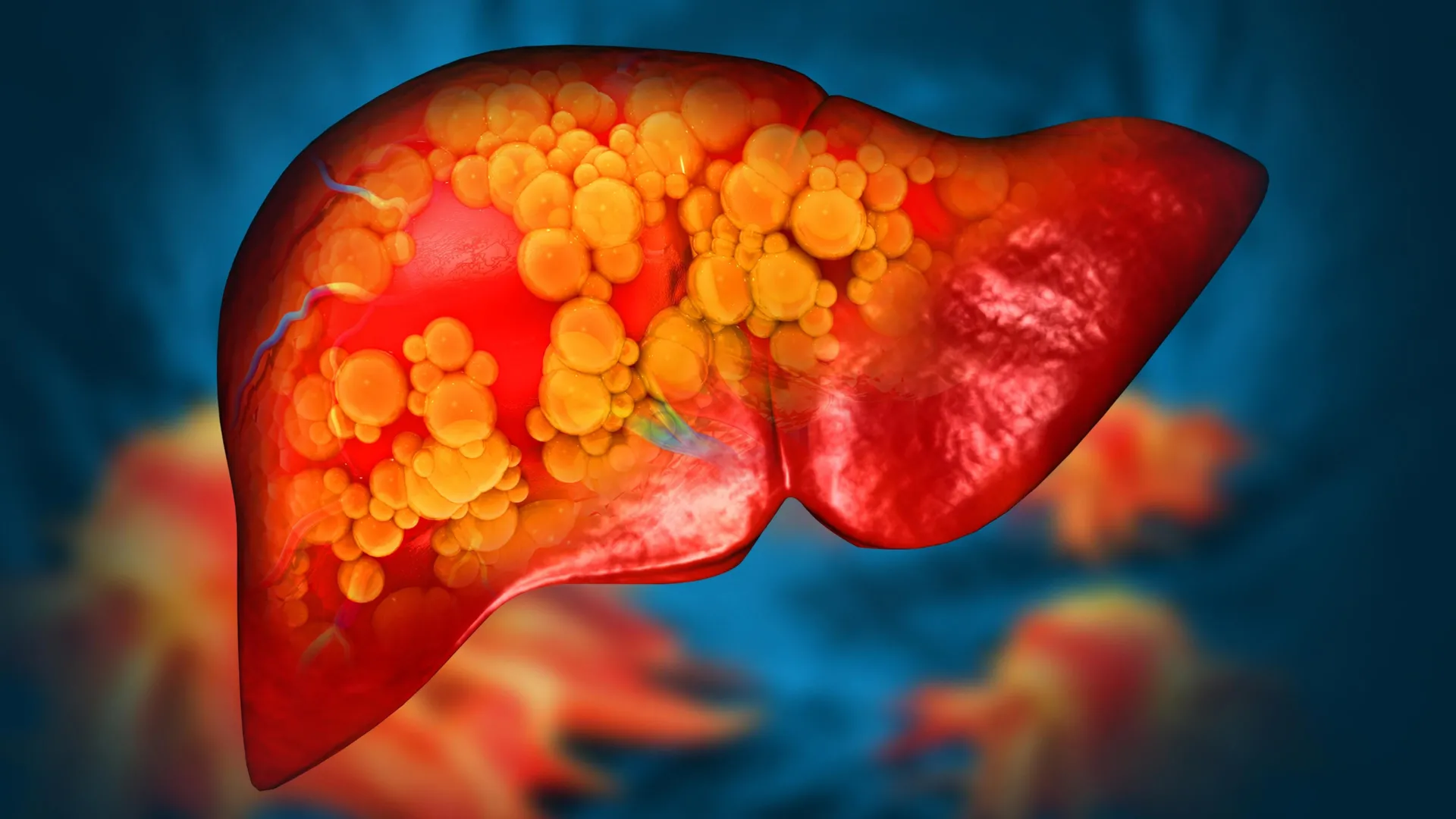
A ketogenic diet can significantly outperform Mediterranean and low-fat dietary patterns in reducing liver fat and reversing prediabetes, according to findings from a new clinical trial. Over an intervention period lasting four to five months, participants assigned to the ketogenic regimen experienced an average reduction in hepatic fat of 67 percent. Notably, these metabolic benefits occurred even though participants across the different dietary groups lost comparable amounts of overall body weight.
Alongside the sharp decline in liver fat, researchers observed meaningful systemic improvements in metabolic regulation among participants following the low-carbohydrate, high-fat protocol. Approximately half of the individuals adhering to the ketogenic intervention no longer met the clinical diagnostic criteria for prediabetes by the conclusion of the trial. In comparison, participants assigned to the Mediterranean and conventional low-fat diets did not experience the same magnitude of glycemic or hepatic improvements.
The finding that liver fat reductions occurred independently of total weight loss offers critical insights into how specific macronutrient profiles influence human metabolism. Traditional clinical advice has frequently emphasized calorie restriction and overall weight reduction as the primary drivers of metabolic recovery. However, the trial demonstrates that restricting carbohydrates and shifting metabolic reliance toward ketone bodies may directly target intrahepatic lipid accumulation.
Accumulation of excess fat in liver cells is a hallmark of metabolic dysfunction, often developing silently alongside insulin resistance, elevated blood sugar, and cardiovascular strain. When left unaddressed, elevated liver fat can advance to more severe forms of chronic liver inflammation and long-term organ damage. Because early stages of hepatic fat accumulation frequently present without overt symptoms, identifying dietary interventions that rapidly lower organ fat remains an urgent public health priority.
For decades, health authorities have widely recommended Mediterranean and low-fat diets for cardiovascular and metabolic management. While both approaches have established track records for promoting heart health and steady weight control, the trial data indicates that they did not match the ketogenic diet's specific potency in clearing liver fat. The marked divergence in outcomes highlights potential physiological differences in how the liver processes dietary carbohydrates versus dietary fats.
The reversal of prediabetes markers among roughly half of the ketogenic cohort carries substantial clinical relevance for type 2 diabetes prevention. Prediabetes affects hundreds of millions of adults globally, signaling impaired glucose tolerance that substantially increases the risk of chronic vascular and renal complications. Achieving remission from prediabetic thresholds within a few months suggests that carbohydrate restriction may relieve pancreatic beta-cell stress relatively quickly.
While the headline reductions in liver fat are pronounced, researchers and clinicians emphasize that dietary trials require careful evaluation regarding individual adherence and long-term physiological safety. Ketogenic diets typically require strict limitation of carbohydrates to sustain nutritional ketosis, a regimen that some individuals find challenging to maintain over extended periods. Clinical observers also routinely evaluate how sustained high-fat intake influences circulating lipid profiles and broader cardiovascular risk markers over time.
As medical professionals examine the implications of the study, the immediate focus turns toward how these results might translate into personalized nutritional counseling. Further research will be needed to determine whether the 67 percent reduction in liver fat and the reversal of prediabetes markers persist once individuals transition to maintenance dietary phases. For now, the trial adds substantial evidence that targeted nutritional strategies can produce profound organ-level improvements within a matter of months.
Primary source: ScienceDaily. Newzly rewrites and structures source reporting for clarity; verify critical details at the original.