Microplastics May Pose Greater Health Risks via Reactive Water Chemistry, Study Finds
Scientists have discovered that microplastics chemically react with water to produce cell-damaging molecules, offering a potential explanation for emerging links between microplastic exposure and severe cardiovascular and neurological conditions.
In this piece
Researchers have found that microplastics can actively interact with water to generate highly reactive molecules capable of damaging tissues and cells. This…
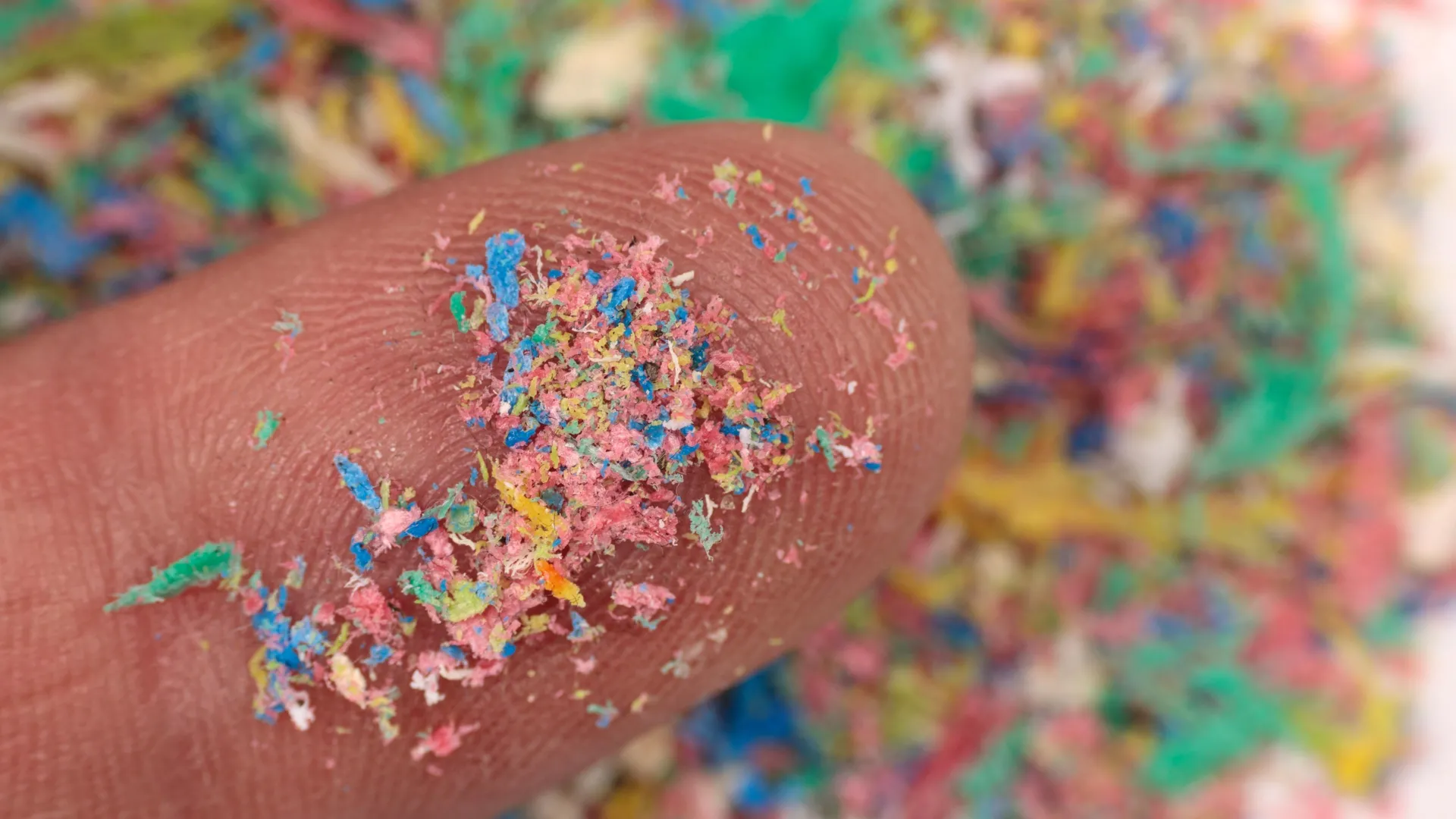
Microplastics may pose a far more acute biological threat than previously understood, according to research reported by ScienceDaily. Rather than acting merely as inert contaminants that settle inside tissues, tiny plastic fragments have been found to engage in unexpected chemical reactions with water, producing highly reactive molecules that can directly harm cellular structures.
The findings introduce a critical shift in how toxicologists and medical researchers view microscopic plastic pollution. Previous health concerns centered largely on physical accumulation, where particles lodge in the lungs, digestive tract, or vascular systems over decades. The discovery of active chemical behavior suggests that plastic debris may actively initiate damage within living organisms rather than causing harm solely through mechanical blockage.
According to the report, the interaction between tiny plastic particles and surrounding water generates reactive chemical species that can attack surrounding cells and tissues. In biological environments, such reactive molecules are known to destabilize cellular membranes, disrupt protein function, and trigger chronic inflammatory cascades. This dynamic biochemical interaction provides a plausible mechanism for cellular stress that extends beyond passive accumulation.
Researchers note that this newly uncovered chemical activity may help illuminate epidemiological patterns that have puzzled scientists. Microplastic exposure has increasingly been correlated with severe medical conditions, including elevated risks of heart attacks, strokes, and chronic neurological disorders. Until recently, establishing direct causal pathways between environmental microplastic intake and systemic vascular or neurological damage has proved challenging.
Microplastics, defined broadly as synthetic fragments measuring less than five millimeters, have infiltrated virtually every ecological niche and food chain on Earth. They are routinely ingested through contaminated drinking water, processed food, and seafood, as well as inhaled through ambient air and synthetic dust. Once inside the body, smaller sub-micron particles can penetrate biological barriers and circulate through the bloodstream.
If microscopic plastic fragments generate destructive reactive molecules in aqueous settings, the internal environment of the human body—which is largely water-based—presents a continuous medium for these interactions. Tissues lining blood vessels and delicate neural networks could face ongoing oxidative pressure whenever microplastics are present. This ongoing chemical stress could compound the risks of cardiovascular inflammation and vascular degradation.
The revelation also underscores the limitations of evaluating plastic toxicity purely on the basis of chemical additives or inert persistence. While past studies focused on whether plastics leach toxic plasticizers or industrial dyes, the finding that particles themselves induce reactive water chemistry introduces an intrinsic hazard. Even chemically stripped or standard polymers could potentially generate harmful molecules simply by virtue of their microscopic surfaces and water exposure.
Public health experts and environmental scientists emphasize that deeper investigation is necessary to determine the full scope of these reactions across various polymer types and human physiological conditions. Understanding how factors like particle size, shape, and surrounding fluid composition influence chemical reactivity will be crucial for assessing real-world human risk. Future studies will need to quantify the thresholds at which these reactive species cause lasting clinical harm.
As research continues to unravel the hidden mechanics of microplastic toxicity, the findings add urgent momentum to global calls for curbing plastic waste and improving filtration technologies. For now, the discovery of reactive chemical interactions provides a compelling scientific foundation for investigating the biological footprints of synthetic debris, while highlighting how much remains to be learned about plastics inside the human body.
Primary source: ScienceDaily. Newzly rewrites and structures source reporting for clarity; verify critical details at the original.