Modi says some resent India’s achievements at Hazarika centenary event
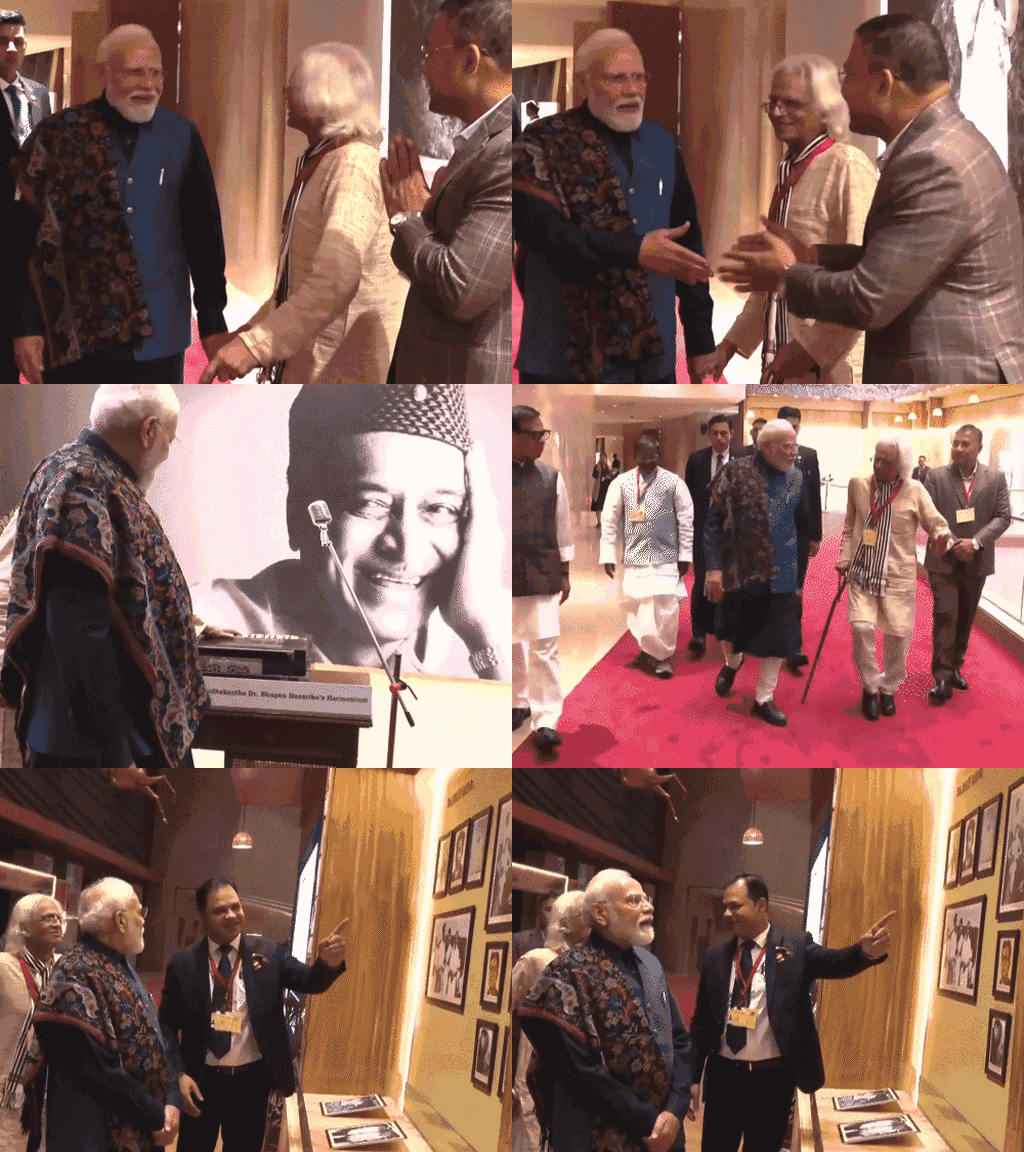
Prime Minister Narendra Modi, speaking at a Bhupen Hazarika birth-centenary programme at Bharat Mandapam in Delhi, criticized people he said dislike talk of a developed India and see the country in pieces.
In this piece
Divya Bhaskar reported that Prime Minister Narendra Modi, at a Bhupen Hazarika birth-centenary programme at Bharat Mandapam in Delhi, said some people grow…
Prime Minister Narendra Modi said some people become resentful when the country records achievements and that they do not welcome talk of a developed India, Divya Bhaskar reported. The Gujarati daily tied the remarks to a programme marking the birth centenary of Bhupen Hazarika at Bharat Mandapam in Delhi.
The paper’s headline said the prime minister described such people as turning into unhappy, disapproving figures at the nation’s success, and as viewing the country in pieces. In the original Gujarati, the jab is carried by the colloquial phrase “naraj fufa,” an image of a sullen elder rather than a named office or party.
The report, as circulated with that headline, did not include a full speech text, a list of other speakers, or a schedule for the Delhi programme. What is on the record from the item is the venue, the centenary occasion, and the political line the paper chose to lead with.
Bharat Mandapam is the capital’s large convention complex and a frequent setting for official and cultural gatherings. Placing a birth-centenary observance there frames Hazarika, long identified with Assam’s musical and literary life, as a national figure. The newspaper account does not describe the artistic programme that accompanied the remarks.
Hazarika is widely remembered as a singer, composer and public cultural voice whose songs traveled well beyond Assam. A centenary commemoration is a moment for tribute. Divya Bhaskar’s presentation put a contemporary political argument in the foreground: discomfort, in the prime minister’s reported telling, with the idea of a developed India and with the country’s achievements.
That argument matters because a cultural stage carried a line between celebration of national progress and criticism of those said to reject it. The headline does not identify who was meant by the reference to people who see the country in fragments. Without names, the remark functions as a broad political contrast.
“Developed India” has been a recurring theme in the prime minister’s public messaging. The Divya Bhaskar headline presents his centenary remarks as a defense of that theme against skeptics. The paper does not quote statistics, list projects, or spell out which achievements prompted the comment, so the claim stays at the level of political characterization.
Cultural anniversaries in India often combine homage with argument about national identity. Readers looking for how Hazarika’s work was invoked — which songs, which passages of his life, which institutional tributes — will not find that detail in the headline account alone. The gap is about emphasis in the published item, while the event itself is what the paper reported.
The phrasing about seeing the country “in pieces” is politically charged because it speaks to a dispute over unity as well as over policy. Divya Bhaskar attributes the line to Modi. The item does not record a response from opposition parties, cultural organizations, or people associated with Hazarika.
What follows is likely to depend on whether a fuller official account or recording of the Bharat Mandapam programme circulates, and on whether political opponents treat the remark as directed at them. Until a transcript or an on-record reply appears, the durable public version of the moment is the one the newspaper headlined: a prime ministerial criticism of those portrayed as unhappy with India’s achievements, delivered at Hazarika’s birth-centenary observance in Delhi.
Primary source: Divya Bhaskar National. Newzly rewrites and structures source reporting for clarity; verify critical details at the original.