TMC rebels’ voting rights put Speaker Om Birla in a fix
The Economic Times reports that voting rights tied to rebel Trinamool Congress lawmakers have left Lok Sabha Speaker Om Birla with an unresolved procedural decision.
In this piece
The Economic Times reports that voting rights of rebel Trinamool Congress lawmakers have put Lok Sabha Speaker Om Birla in a procedural fix. The question is…
The Economic Times has reported that the voting rights of rebel Trinamool Congress lawmakers have put Lok Sabha Speaker Om Birla in a difficult position. The newspaper’s headline frames the dispute as an unresolved question for the Chair rather than a closed party matter. Beyond that headline, the published account supplied here does not identify the members or any formal notice before the Speaker.
What the report does establish is the political setting: lawmakers described as TMC rebels, and a Speaker who must decide how far their right to vote in the House still runs. In the Lok Sabha, a member’s vote is the ordinary way the chamber records its decision on bills, motions and divisions. When a lawmaker’s standing inside a party is contested, that routine act can become a ruling the Chair has to make.
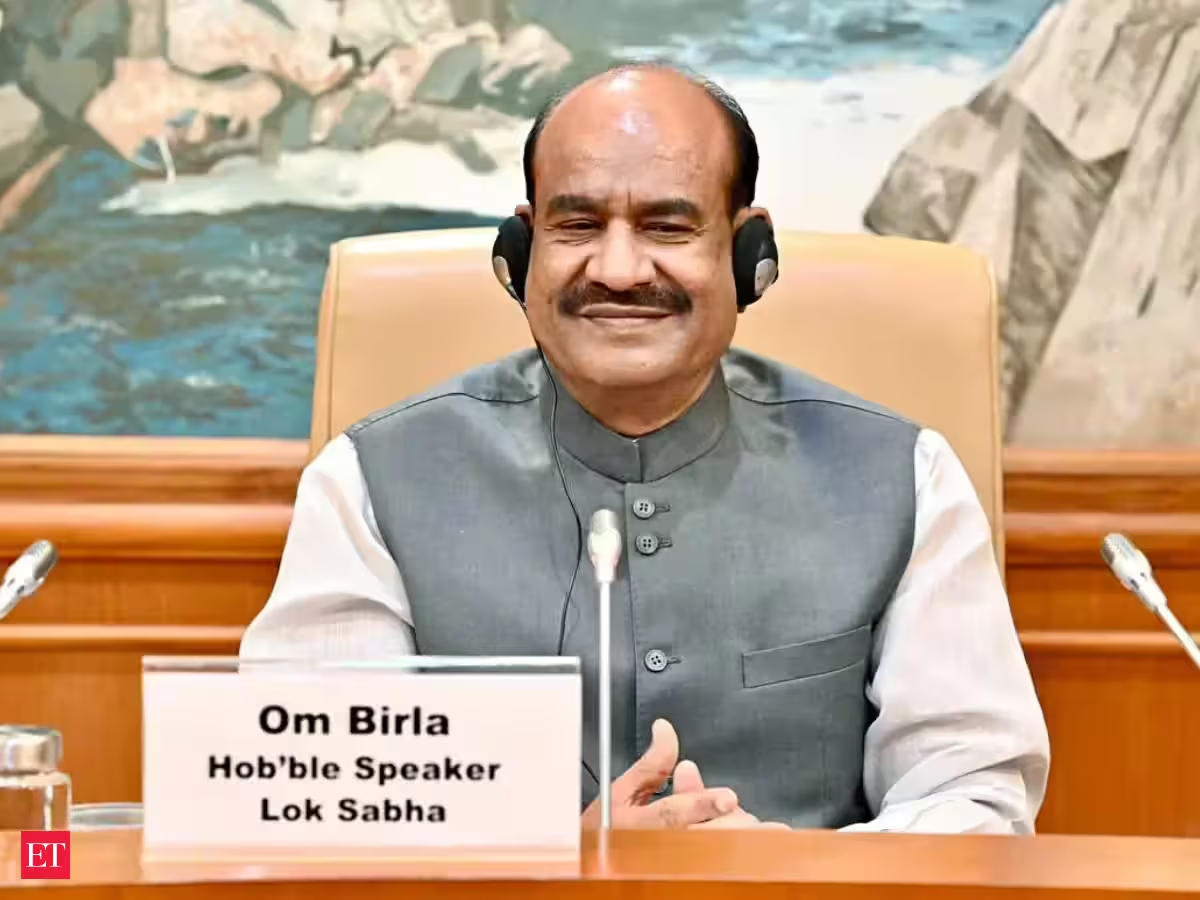
Om Birla presides over the Lok Sabha and is responsible for order, procedure and points that arise when members disagree about how the House should proceed. A question about whether particular members may vote sits close to that role. The Economic Times’ description of the Speaker as “in a fix” points to a choice with consequences for more than one side, without setting out which option he is inclined to take.
The Trinamool Congress is a national party whose political base is in West Bengal and which functions as an opposition party in Parliament. Rebellion inside a parliamentary party can leave the House asking who is entitled to act with the party on the floor. This account does not name the lawmakers involved or describe how their break with the party leadership came about, and those details should not be read into the headline.
Disputes of this kind matter because votes decide whether a measure carries and how the opposition’s strength appears on the record. They also test how far party discipline reaches once members are inside the chamber. Indian law and House rules have long treated defection and party splits as issues that can affect a member’s status, but the report as provided does not say whether an anti-defection petition, a suspension or another objection is the immediate cause.
The Speaker’s difficulty, as the headline presents it, is institutional as well as political. Allowing a contested member to vote protects a core function of Parliament. Refusing that vote, or delaying a decision, can be read as shaping a party’s strength on the floor. Either course can draw objections from the treasury benches, the opposition or the members whose rights are in question.
Practice in the Lok Sabha is that the Chair rules on such points, often after hearing members and looking to the rules of procedure and earlier rulings. Those decisions are delivered in the House and then become part of the record other members cite. The Economic Times account available here does not quote Birla, party leaders or the rebels, so no further position should be attributed to them.
Until the Speaker indicates how the rebel TMC members will be treated when a division is called, their voting rights remain an open procedural question. Parties in the House will be watching whether those members can vote, are kept from voting or are left in an intermediate position while the matter is examined. The newspaper’s report presents that uncertainty as the immediate pressure on the Chair.
What follows depends on the next sitting at which their participation is tested. A ruling would clarify the floor arithmetic for that vote and offer a reference if similar challenges arise. If the Chair withholds a final view, the same question is likely to return the next time the House divides and the status of the TMC rebels is raised again.
Primary source: Economic Times. Newzly rewrites and structures source reporting for clarity; verify critical details at the original.