UK and EU Agree Deal to Scrap Brexit Checks on Food and Animal Products
The UK and European Union have finalized a pact to dismantle post-Brexit checks on food and animal goods by early 2028, alongside broader agreements on energy market access and budget payments.
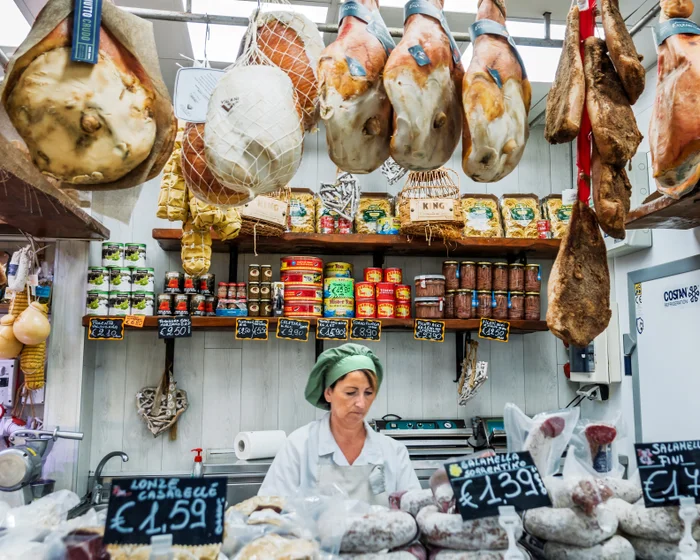
The United Kingdom and the European Union have concluded an agreement to eliminate post-Brexit regulatory checks on cross-border shipments of food and animal products. The deal marks a major step forward in addressing non-tariff trade barriers that have complicated bilateral commerce since Britain's exit from the European single market. Under the agreed framework, border scrutiny will be curtailed across a wide spectrum of perishable goods and agricultural imports.
Under the terms of the settlement, streamlined rules will apply to an array of products ranging from sausages and cheese to leather goods and cut flowers. The pact is structured to alleviate intensive inspection regimes that have lengthened delivery timetables and created logistical hurdles for food distributors. Officials anticipate that the revised framework will formally enter into force during the first quarter of 2028.
The agreement on agricultural goods forms part of a wider package of targeted mini-deals scheduled to be finalized at an upcoming UK-EU summit on 20 November. Diplomats have focused on negotiating discreet, sectoral compacts designed to resolve specific commercial friction points. The coordinated package reflects renewed bilateral efforts to establish pragmatic working relations on critical economic fronts.
A central component of the upcoming summit discussions involves cross-border energy infrastructure and market integration. Under the broader terms being prepared, Britain is set to rejoin the European single electricity market to bolster energy security and regional grid coordination. In exchange for regaining participation in the power market, the UK will once again make financial contributions to the European Union budget.
The sanitary and phytosanitary checks that followed the Brexit transition have presented persistent difficulties for cross-Channel food and livestock supply chains. Exporters on both sides have had to navigate rigorous certification requirements, veterinary sign-offs, and physical border inspections. These requirements have introduced heightened operational expenses and complicated just-in-time delivery models for perishable items.
Producers of perishable goods, such as artisanal cheesemakers, livestock handlers, and florists, have reported substantial administrative overhead under the existing border regime. The impending rollback of physical inspections aims to restore predictability for agricultural vendors and retail distributors operating between Britain and the continent. The easing of rules is expected to reduce compliance friction for both large freight carriers and specialized regional suppliers.
The development underscores an evolving diplomatic approach that prioritizes targeted, sector-specific agreements rather than a comprehensive overhaul of the post-Brexit trade treaty. By focusing on practical areas of mutual vulnerability, negotiators have sought workable compromises while preserving existing political boundaries. The prospective energy and agri-food understandings demonstrate how specific commercial arrangements can proceed alongside financial commitments.
The timeline leading to the first quarter of 2028 provides regulatory agencies, port authorities, and commercial logistics firms with an extended period to adapt their operational procedures. Technical arrangements and mutual standards verification will require careful coordination between British and European regulators before border checks are formally dismantled. The formal endorsement of the package at the 20 November summit will serve as the next crucial milestone in determining the path forward.
Primary source: The Guardian Business. Newzly rewrites and structures source reporting for clarity; verify critical details at the original.