UK diesel stays near £2 a litre despite falling oil prices
Diesel averages 197p a litre on UK forecourts, according to the AA, leaving drivers facing prices close to October’s record even as cheaper oil brings more relief for petrol buyers.
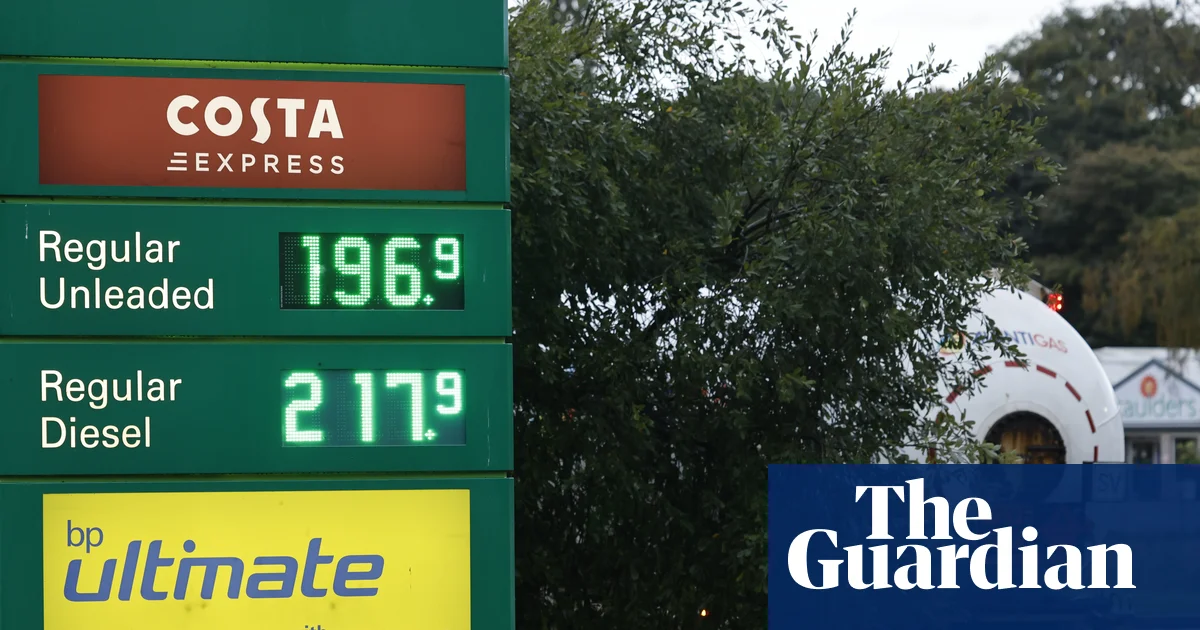
Diesel prices on UK forecourts remain close to £2 a litre despite a sharp fall in oil prices, according to figures from the AA reported by the Guardian. The motoring organisation put the average price at 197p a litre and described the situation as “dismal”, with drivers receiving limited relief from October’s record levels.
Petrol prices have eased more noticeably, falling to an average of 168p a litre from an early-October peak of 174.7p. That peak was the highest since August 2022, according to the report. The contrast leaves diesel buyers facing a substantially higher bill per litre even after oil prices have retreated.
At the reported averages, diesel costs 29p a litre more than petrol. For an illustrative purchase of 50 litres, that amounts to a difference of £14.50, with diesel costing £98.50 and petrol £84. Those calculations compare equal volumes rather than the running costs of different vehicles, which also depend on fuel efficiency and use.
The diesel average is only 3p below the £2 benchmark cited for October’s record. On the same illustrative 50-litre purchase, that difference represents a saving of just £1.50. Petrol’s decline from 174.7p to 168p, by comparison, reduces the cost of buying 50 litres by £3.35, showing the larger benefit reaching petrol buyers.
The figures underline why falling oil prices do not necessarily translate into equally large or immediate reductions across all road fuels. Crude oil and the finished products sold at forecourts are different stages of the supply chain. The reported averages establish the gap in prices, but do not on their own explain how much each contributing factor accounts for it.
Federal Reserve governor Christopher Waller warned that shipping and refining constraints could keep energy prices elevated. That warning provides a caution against assuming that cheaper crude alone will quickly restore lower fuel bills. It also frames the distinction between a decline in the oil market and the prices ultimately paid by motorists.
For households and businesses buying diesel, the immediate issue remains the cost of each refill rather than the direction of oil prices. A lower crude price offers little practical relief until it feeds through to forecourt charges. The AA’s national average describes the overall picture, rather than a price available at every filling station.
The next question is whether diesel follows petrol lower or remains close to its October high. Further pump-price readings will show whether the divergence narrows and whether cheaper oil produces more meaningful savings. For now, the reported figures point to an uneven retreat from peak fuel costs, with diesel buyers seeing substantially less relief.
Primary source: The Guardian Business. Newzly rewrites and structures source reporting for clarity; verify critical details at the original.