Ukraine Confirms Naval Drone Attack Sank Russian Warship Off Coast of Libya
Ukrainian security forces confirmed deploying seven domestically made naval drones from a mothership to strike two Russian vessels off Libya, sinking the modern warship Merkury in a far-reaching Mediterranean operation.
In this piece
Ukraine has confirmed a maritime drone strike against two Russian warships off the coast of Libya, sinking the modern corvette Merkury. The SBU said seven…
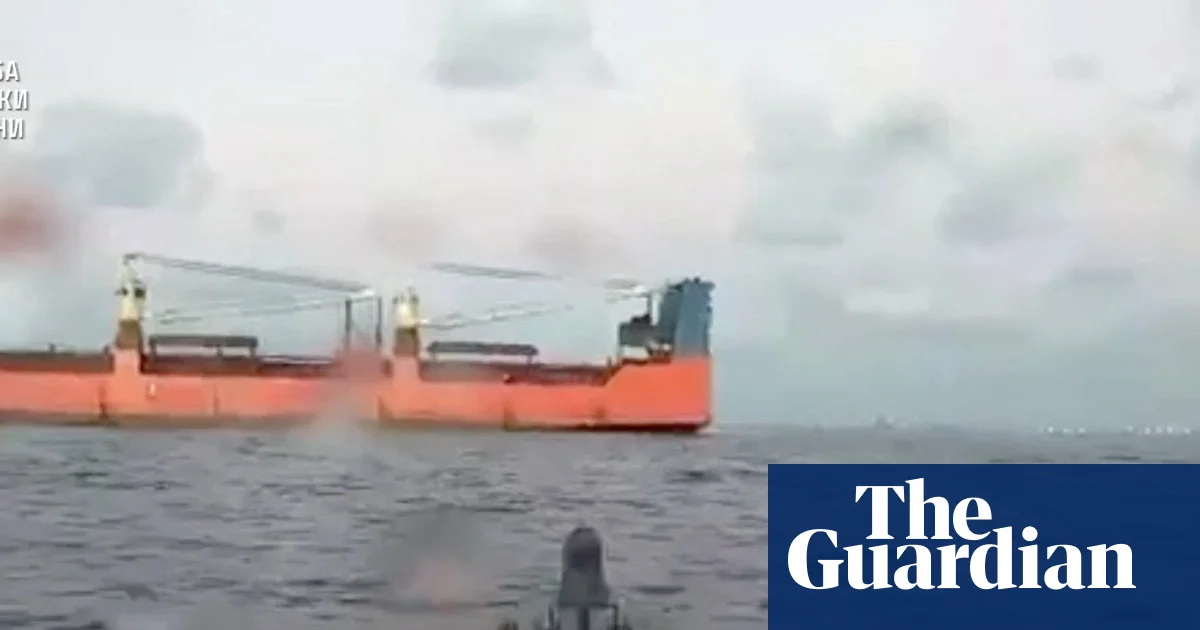
Ukraine has officially confirmed that its security forces carried out a maritime drone strike against two Russian naval vessels operating off the coast of Libya. According to Ukrainian officials, the targeted Sunday operation resulted in the sinking of the corvette Merkury, which ranks among the Russian navy's newest commissioned warships.
The Security Service of Ukraine, known as the SBU, stated that seven domestically manufactured naval drones were deployed during the long-range mission. Security officials revealed that the unmanned surface vessels were launched from an offshore mothership before closing in on the Russian targets stationed in waters near Benghazi.
Ukrainian President Volodymyr Zelenskyy commended the execution of the mission, describing the strike as an exemplary military undertaking. The operation marks one of the most distant maritime actions acknowledged by Kyiv since the start of the full-scale conflict with Russia, underscoring expanding Ukrainian operational reach well beyond the Black Sea basin.
The loss of the Merkury represents a notable setback for Russian naval posture outside its home waters. As a modern corvette, the vessel was equipped for multi-role maritime missions and formed part of Moscow's sustained naval presence across strategic Mediterranean sea lanes.
Ukraine has increasingly relied on domestically developed unmanned surface vessels to challenge Russian naval capabilities throughout the war. While previous drone campaigns focused primarily on targeting Russian warships and infrastructure within the Black Sea, Sunday's incident highlights the growing geographic scope of Ukrainian maritime capabilities.
The disclosure by Ukrainian intelligence that the drones operated from a dedicated mothership points to an evolution in maritime strike doctrine. Utilizing a secondary vessel to transport and release uncrewed craft enables operations far beyond coastal launch facilities, significantly complicating port and fleet defense for adversary naval forces.
Russian naval activity off Libya has drawn sustained international scrutiny as Moscow maintains logistical and military footholds across parts of North Africa and the eastern Mediterranean. Operating naval units in regional ports such as Benghazi allows Russian forces to project power along southern European maritime flanks and support expeditionary networks.
By demonstrating the ability to target Russian warships in the Mediterranean, Ukraine aims to disrupt logistical freedom and raise the security cost of Russian deployments far from Ukrainian shores. Military observers note that expanding the maritime theater forces naval commanders to allocate greater defensive resources to vessels stationed outside active combat zones.
International monitoring continues as allied officials and international organizations assess the broader security ramifications of long-range unmanned naval warfare across international shipping corridors. The successful deployment signals that Russian military assets operating in distant maritime theaters face heightened vulnerability as autonomous and uncrewed strike systems continue to evolve.
Primary source: The Guardian World. Newzly rewrites and structures source reporting for clarity; verify critical details at the original.