Wearable Ultrasound Patch Boosts REM Sleep Without Drugs or Surgery
A wearable ultrasound patch developed by University of Texas researchers helped sleepers enter REM cycles 43 minutes faster while supporting emotion-regulating brain circuits without medication or surgery.
In this piece
University of Texas researchers have developed an experimental wearable patch that uses targeted ultrasound to improve REM sleep without medication. Study…
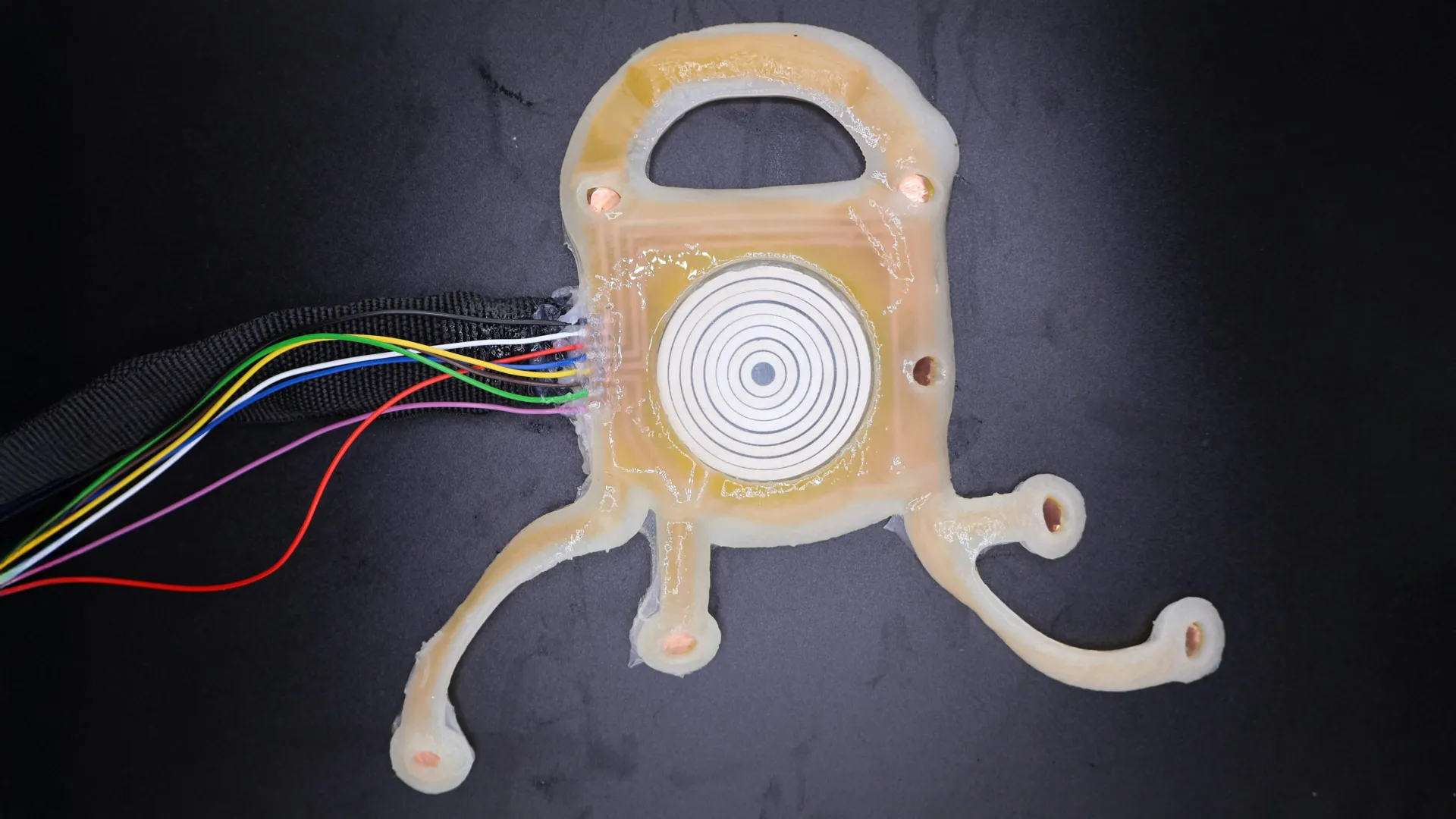
Researchers at the University of Texas have developed a noninvasive wearable ultrasound patch designed to enhance rapid eye movement sleep without pharmacological intervention or surgical procedures. The device delivers gentle ultrasound waves aimed at deep brain structures, offering a novel bioengineering approach to targeted neurological therapy.
In initial testing, the wearable system demonstrated measurable improvements in human sleep architecture. Study participants using the patch entered rapid eye movement sleep approximately 43 minutes faster and remained in that restorative stage for an average of 16 minutes longer compared to unassisted baseline recordings.
The underlying mechanism relies on targeted low-intensity ultrasound stimulation rather than systemic medications or electrical shocks. By focusing acoustic waves directly onto specific deep brain regions, the patch appears to modulate neural signaling pathways associated with sleep cycle transitions without disrupting adjacent tissue.
Beyond its immediate influence on sleep timing, the technology demonstrated promising secondary outcomes related to emotional health. Investigators observed beneficial physiological effects across neural circuits tied to emotional processing and general stress regulation among monitored subjects.
Rapid eye movement sleep plays an essential role in human cognitive health, memory consolidation, and daytime psychological resilience. Deficits in REM sleep are widely documented alongside chronic stress, mood disorders, and neurodegenerative illnesses, yet existing pharmaceutical sleep aids often fail to target specific sleep phases selectively.
Conventional interventions for persistent sleep disruptions typically involve prescription sedatives or hypnotics, which can carry adverse side effects such as daytime drowsiness, tolerance risks, or dependency over extended periods. A noninvasive, localized wearable alternative could offer an attractive therapeutic option if subsequent clinical trials confirm its safety profile.
The development also reflects broader advancements in flexible biomedical electronics and acoustic neuromodulation. Integrating ultrasound transducers into a skin-conformal wearable format represents a notable engineering progression from bulky laboratory hardware toward potentially accessible at-home clinical devices.
Despite the encouraging initial findings, significant clinical questions remain regarding the technology's broader applicability and daily usability. Details regarding optimal stimulation schedules, potential long-term habituation, cohort diversity, and sustained efficacy have yet to be established through larger, peer-reviewed clinical trials.
Moving forward, further research will be required to validate the patch across diverse patient populations, including individuals experiencing chronic insomnia or stress-related disorders. Regulatory review and continued experimental validation will ultimately determine whether wearable acoustic neuromodulation can transition from the laboratory into mainstream sleep medicine.
Primary source: ScienceDaily. Newzly rewrites and structures source reporting for clarity; verify critical details at the original.