Seven Flights Across Europe Targeted by Suspected Bomb Threats
At least seven flights across Europe faced emergency security checks in Poland, Spain, Bulgaria, and Italy after receiving separate suspected bomb threats, prompting widespread aviation precautions.
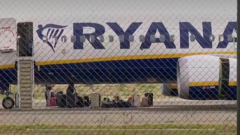
A series of suspected bomb threats targeted at least seven commercial passenger flights across Europe, triggering urgent emergency security checks in several countries. Aviation officials and emergency crews in Poland, Spain, Bulgaria, and Italy initiated specialized inspections after receiving separate threat alerts concerning the aircraft.
Initial reports from BBC World indicated that ground personnel and security teams were mobilized to inspect the affected planes for explosives following the separate warnings. Security protocols were enacted promptly across the relevant airports to isolate the aircraft and protect passengers while thorough checks were carried out.
Under established international civil aviation standards, any bomb alert involving a commercial flight triggers rigorous precautionary procedures. Affected aircraft are typically directed to remote taxiways or dedicated parking bays away from primary terminal buildings, allowing emergency services and bomb disposal squads to establish containment perimeters without halting all airport operations.
Once an aircraft is isolated, security personnel execute systematic sweeps encompassing passenger cabins, cargo holds, avionics bays, and all checked baggage. Travelers are disembarked to secure holding areas, where they and their personal belongings undergo mandatory secondary security screenings before any resumption of travel can be authorized.
The simultaneous or near-simultaneous targeting of flights across four distinct European nations creates substantial operational friction for regional aviation networks. Even brief runway closures or gate holds can generate cascading departure delays, missed passenger connections, and complex scheduling adjustments for airlines operating tight turnaround schedules across Europe.
Because the reported threats spanned Southern, Central, and Eastern Europe—reaching from Spain and Italy to Poland and Bulgaria—the response highlighted cross-border coordination mechanisms. National aviation regulators, air navigation service providers, and local law enforcement agencies routinely exchange real-time threat intelligence to assess whether separate incidents share a common origin or signature.
European transport infrastructure has previously faced coordinated bursts of false alerts and hoax threats targeting schools, railway stations, and transit hubs. Investigators frequently encounter sophisticated tactics designed to obscure the perpetrators, including the use of virtual private networks, encrypted communication channels, and automated internet-based messaging platforms.
Despite the high probability that such widespread alerts may ultimately prove to be malicious hoaxes, security agencies cannot afford to downgrade their operational readiness. Protocol dictates treating every unverified threat as credible until specialized explosive detection teams, trained canine units, and electronic scanners deliver definitive clearance.
Detailed information regarding the specific airlines, flight routes, and passenger numbers affected has not yet been fully released as initial reviews proceed. Transport authorities and police services in Poland, Spain, Bulgaria, and Italy are expected to provide further determinations as physical inspections wrap up and investigative units trace the origin of the threats.
Primary source: BBC World. Newzly rewrites and structures source reporting for clarity; verify critical details at the original.