UK Meat Industry Disrupted as Cyber-Attack Hits European Supermarket Freezers
A cyber-attack manipulating supermarket freezer temperatures across Ireland, Sweden, and Belgium has disrupted the UK meat industry, exposing critical vulnerabilities in automated commercial cold-storage infrastructure.
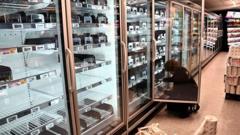
A cyber-attack targeting commercial supermarket refrigeration across Europe has disrupted operations within the United Kingdom meat industry, according to reporting from BBC Technology. Supermarket operators in multiple European countries, including Ireland, Sweden, and Belgium, confirmed that cooling units and freezers experienced unexpected temperature hikes on Monday.
The deliberate or unauthorized temperature surges directly hit cold-storage systems essential for preserving perishable inventories across retail grocery networks. The incident demonstrates how digital disruptions within European supermarket infrastructure can rapidly spill over into neighboring supply networks, putting strain on meat processors and distributors that rely on uninterrupted cold chains.
Commercial refrigeration systems require precise temperature governance to inhibit bacterial growth and meet rigorous statutory food safety standards. When cooling units warm beyond mandated thresholds, retailers face immediate operational dilemmas regarding whether fresh and frozen inventories remain safe for human consumption or must be discarded.
Modern supermarket networks increasingly deploy interconnected building management platforms to remotely supervise, calibrate, and record environmental temperatures across hundreds of storefronts. While centralized telemetric controls optimize energy consumption and compliance reporting, they also expand the digital attack surface if centralized interfaces or third-party vendor credentials become compromised.
For the British meat sector, temperature instability at the grocery level creates swift logistical backlogs throughout the production chain. Processing facilities and abattoirs depend heavily on predictable wholesale turnover and scheduled deliveries, meaning a temporary loss of retail chilled capacity can quickly impede processing schedules, storage capacity, and transit routes.
Initial reporting has not publicly attributed the cyber intrusion to a specific threat group, nor has the exact technical mechanism used to alter the cooling parameters been disclosed. Cybersecurity specialists commonly evaluate whether such operational disruptions are tied to extortion schemes, system misconfigurations, or targeted intrusions aimed at industrial control mechanisms.
The international footprint of the incident, encompassing facilities in Ireland, Sweden, Belgium, and cross-border impacts in the UK, underscores the integrated character of modern European food distribution. Regulatory authorities and national cyber defense agencies regularly track incidents involving critical food infrastructure to assess wider supply chain vulnerabilities and prevent cascading logistics failures.
Affected retail chains and cold-storage operators are expected to focus on isolating industrial control networks, inspecting physical equipment, and manually verifying environmental data. Incident response protocols typically involve auditing remote access portals, purging unauthorized software implants, and validating thermal sensors before returning chilled display cases to regular operational duty.
As forensic investigations continue, the episode highlights the mounting challenges commercial food businesses face when defending physical operations against cyber threats. The event underscores that operational technology managing physical environments requires the same rigorous defense, network segmentation, and contingency planning as conventional corporate IT networks.
Primary source: BBC Technology. Newzly rewrites and structures source reporting for clarity; verify critical details at the original.